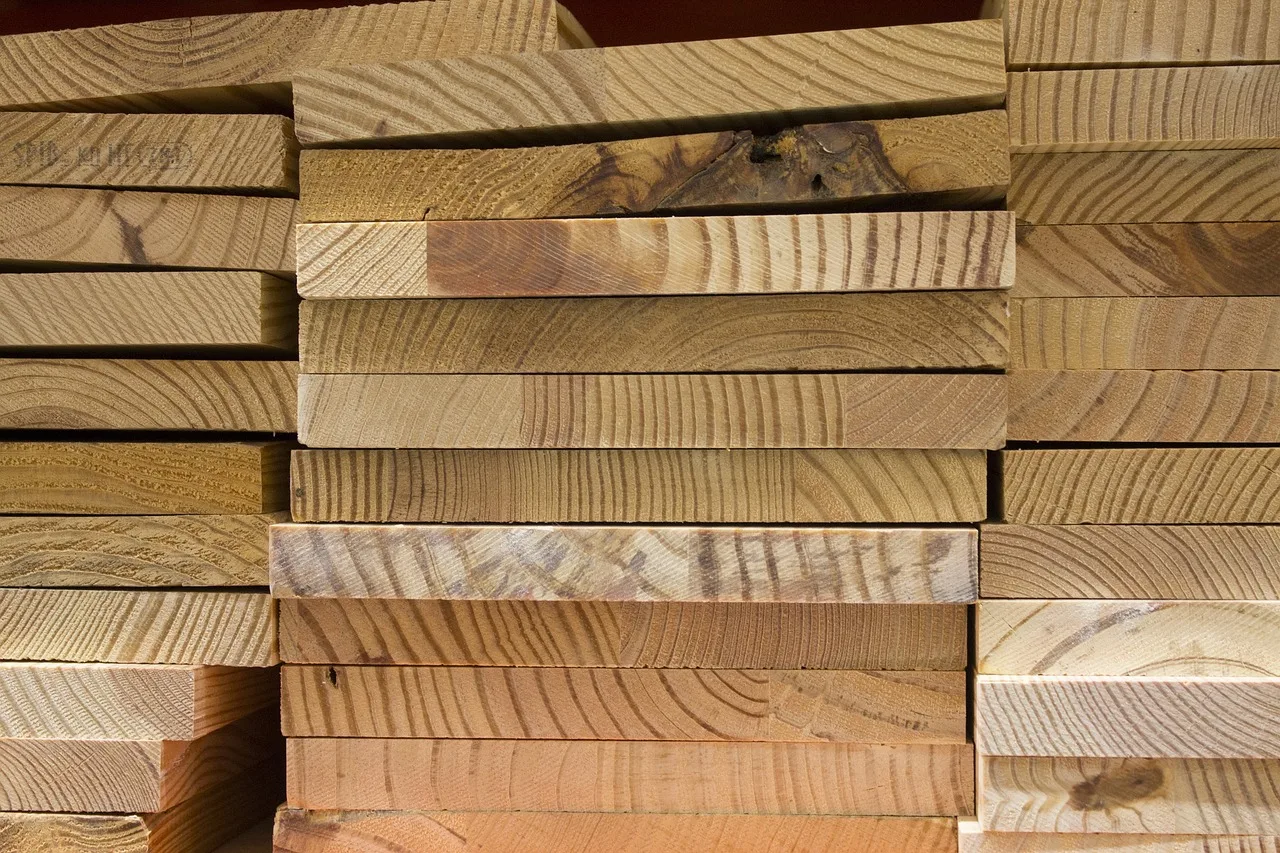

Lumber from the Manufacturer — A Moscow Buyer’s Guide
If you’re sourcing lumber in Moscow, buying directly from the manufacturer delivers cost savings, better quality control, and faster turnaround. Whether you’re building, renovating, or producing furniture, this guide explains what Moscow buyers need to know to get the right timber at the right price.
Why buy from the manufacturer?
— *Lower cost per cubic meter* — fewer middlemen means better margins.
— *Consistent quality* — direct inspection and agreed specifications reduce surprises.
— *Flexible volumes and grades* — manufacturers can often accommodate tailored runs.
— *Faster lead times* — cut delays in ordering, processing, and shipping.
— *Traceability and paperwork* — direct access to origin, species, and compliance documents.
Lumber types commonly available in and near Moscow
— Softwood (construction-grade): pine, spruce, fir — used for framing, beams, and cladding.
— Hardwood (furniture and finish): birch, oak, ash, maple — ideal for millwork and cabinetry.
— Engineered products: glulam, LVL, OSB, plywood — for structural and panel applications.
— Specialty: decking, sawn fencing, timber profiles, kiln-dried boards.
Key specifications to verify
— Species and origin (forest region or supplier).
— Grade and defects (knots, splits, warp).
— Moisture content: *green/air-dried* vs *kiln-dried* — crucial for interior work.
— Dimensions and tolerances (thickness, width, length).
— Treatment: preservative, fire-retardant, or anti-fungal where needed.
— Documentation: compliance with national standards (*GOST*), certificates of origin, and any environmental certifications.
Certifications and standards
— GOST — Russian national standards often referenced for dimensions and quality.
— EAEU technical regulations — applicable for products moving across the Eurasian Economic Union.
— Environmental labels (e.g., *FSC*, where available) — useful if sustainability or export is relevant.
— Phytosanitary or sanitary certificates — check when moving goods across regions or for export.
Practical buying steps in Moscow
1. Define the project requirements: species, grade, moisture content, dimensions, and quantity.
2. Request quotes from several manufacturers — include delivery terms to Moscow (inc. loading/unloading).
3. Ask for product samples and a factory inspection or photos of stock.
4. Verify paperwork: GOST compliance, origin, and treatment certificates.
5. Negotiate price, lead time, and payment terms (prepayment, L/C, or net terms).
6. Arrange transport: direct truck delivery inside Moscow, or pick-up from the plant in the region.
7. Inspect goods on delivery: check moisture, dimensions, visible defects, and paperwork.
Logistics and delivery considerations
— Most timber from Russian producers is measured and invoiced by cubic meter.
— Transport to Moscow commonly comes by truck from nearby regions (Vologda, Arkhangelsk, Karelia, or Siberia for specialty grades).
— Storage in Moscow should be dry, elevated, and covered to prevent moisture gain and deformation.
— For large projects, plan a delivery schedule to avoid prolonged on-site exposure.
Quality checklist for incoming timber
— Match species and grade to the order.
— Confirm moisture content with a moisture meter.
— Inspect for warping, checks, insect damage, and excessive knotting.
— Count and measure boards — verify dimensional tolerances.
— Check treatment and labeling against certificates.
Pricing and negotiation tips
— Buy in bulk to access better per-unit rates.
— Negotiate for bundled services (cut-to-length, drying, treatment).
— Ask about seasonal discounts or surplus stock closeouts.
— Clarify all costs: delivery, loading, packaging, and VAT implications.
Sustainability and responsible sourcing
— Ask about forest management practices and chain-of-custody where sustainability matters.
— Consider reclaimed or engineered products as lower-impact alternatives.
— Request documentation if you plan to certify or export your finished goods.
Common uses and recommendations
— Structural framing: spruce or pine, construction-grade, often *green* or air-dried.
— Interior millwork and furniture: kiln-dried birch or oak for stability.
— Decking and exterior cladding: treated softwoods or naturally durable hardwoods.
— Precision joinery: specify tighter tolerances and kiln drying.
Final checklist before you order
— Project specs and acceptable tolerances are written and confirmed.
— Sample approved (visual and dimensional).
— Delivery date, price, and penalties for delays agreed in writing.
— All certificates and declarations are provided.
— Storage plan on arrival in Moscow is in place.
Conclusion
Buying lumber directly from a manufacturer in Moscow can cut costs and improve control over materials—if you prepare properly. Define your specs, verify certifications, inspect samples, and plan logistics. With a checklist and a few trusted manufacturer contacts, you’ll secure the right timber for your project on time and within budget.
If you want, I can draft a sample inquiry template to send to manufacturers in Moscow or a short checklist you can use during delivery inspection. Which would you prefer?