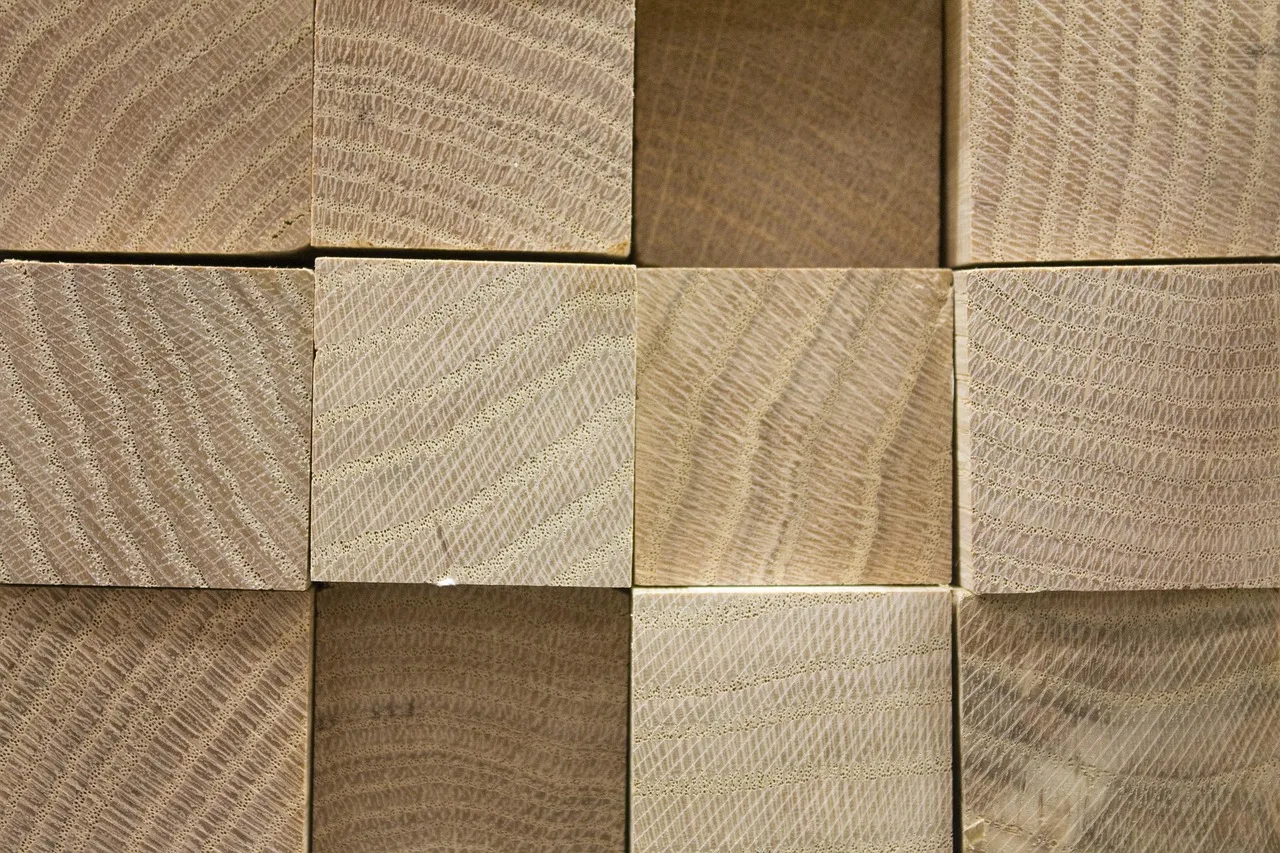

Lumber from the Manufacturer — Moscow, Russia
Buying lumber directly from the manufacturer in or for the Moscow market gives builders, contractors and furniture makers a competitive edge: lower prices, consistent quality and faster access to technical support. Below is a practical guide to what to expect, how to choose, and how to manage delivery and storage for Moscow’s climate and construction requirements.
What you can buy directly from manufacturers
— Species: *spruce, pine, larch, birch* (most common), plus aspen and alder for specific uses.
— Product types:
— Sawn timber (rough and planed)
— Edged boards and unedged boards
— Beams, joists and rafters
— Glued laminated timber (GLULAM) and finger-jointed timber
— Milled/profiles (floorboard, cladding, decking)
— Plywood and OSB (if offered by the same manufacturer)
— Treatments and finishes: kiln-dried, planed, impregnated (antiseptic/fire retardant), profiled.
Quality, grading and certifications
— Look for compliance with relevant standards: *GOST* grades (domestic standard), and — for export or international clients — *FSC* or *PEFC* where available.
— Common quality controls: moisture content (kiln-dried to target 8–20% depending on use), visual grading (knots, splits), structural grading for beams.
— Ask manufacturers for technical sheets, certificates of origin, and laboratory moisture/strength test reports.
Why buy from the manufacturer (advantages)
— *Lower unit cost*: fewer intermediaries, bulk pricing and customizable batches.
— *Customization*: tailored dimensions, profiling, and drying schedules.
— *Traceability and warranty*: direct accountability for production defects.
— *Faster resupply*: shorter lead times for repeat orders, often local warehouses in Moscow Oblast.
Logistics and delivery to Moscow
— Typical transport modes: truck (local/regional), rail (bulk, long distance). Most manufacturers serving Moscow coordinate last-mile trucking from rail hubs.
— Lead times: can range from same-week for stocked products to several weeks for custom drying/profiling. Confirm lead time before contract.
— Packaging and protection: banded bundles, end-sealed where required, pallets or bulk loads. For exports, check customs documentation and phytosanitary certificates.
— Warehousing: many manufacturers keep stock in Moscow warehouses/terminals for quicker delivery inside the city.
Pricing and payment
— Pricing factors: species, grade, moisture content, profile, treatment, bundle size, and delivery distance.
— Typical commercial terms: volume discounts, prepayment or partial advance, net terms for established customers. For export customers, letters of credit or bank guarantees are common.
— Taxes: domestic transactions in Russia include VAT considerations; export sales follow different tax rules. Confirm with supplier/accountant.
Storage and handling for Moscow’s climate
— Moscow’s humid continental climate requires attention to moisture:
— Store off the ground on pallets or sleepers.
— Use stickers to allow air circulation between layers.
— Cover with breathable tarpaulins—avoid trapping condensation.
— Acclimatize lumber indoors to target moisture content before installation (usually 8–12% for interior use).
— Protect from prolonged exposure to sun and precipitation.
Best uses by product
— Structural beams and joists: kiln-dried and graded softwoods (pine, spruce, larch).
— Exterior cladding and decking: larch or pressure-treated pine for durability.
— Interior furniture and joinery: planed, dried birch or pine; finger-jointed for long-length stability.
— Finish carpentry: profiled planed boards and mouldings.
Sustainability and legality
— Verify legality: request documents confirming legal harvest and chain of custody. For international clients, ensure compliance with EUTR-like due diligence and supplier declarations.
— Sustainable options: look for suppliers participating in reforestation programs and certified by FSC/PEFC. Manufacturers increasingly publish sustainability reports—ask for them.
Who benefits most
— Contractors and developers looking to reduce material costs on large projects.
— Furniture and millwork shops needing consistent, kiln-dried stock.
— DIYers and small builders buying bulk for seasonal projects (through retail branches or local distributors).
Practical checklist before you order
— Request species, grade and moisture certificates.
— Ask for sample boards and technical sheets.
— Confirm delivery terms, lead time and packaging.
— Clarify payment terms and VAT/tax treatment.
— Agree on return/replacement policy for defects.
Final recommendations and next steps
— Start with a small trial order or samples to verify quality and acclimatization needs.
— Negotiate a long-term supply or framework agreement if you expect recurring demand—this locks prices and delivery windows.
— Ask the manufacturer for references of Moscow-based clients or showrooms where you can inspect finished products.
If you’d like, I can draft an inquiry email template to send to manufacturers in or near Moscow, or help you compare offers from three local suppliers. Which would you prefer?