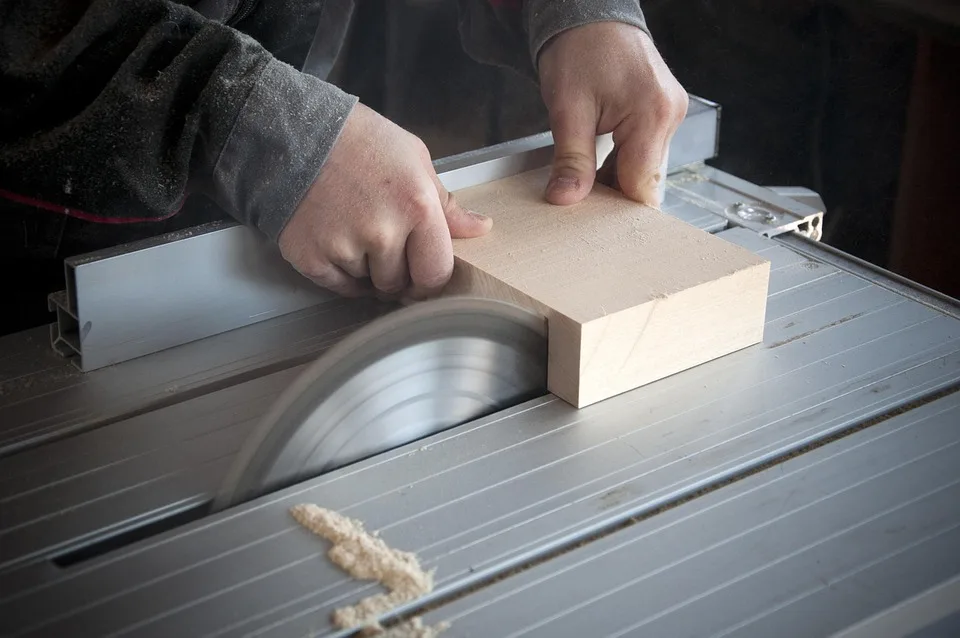

Lumber from the Manufacturer: what Moscow builders and buyers need to know
Buying lumber directly from the manufacturer is one of the fastest ways to reduce costs, secure consistent quality and get the exact timber you need for a project in Moscow and the Moscow region. This guide covers the essentials: types of wood available, quality checks, documentation, logistics and practical buying tips tailored to the local market.
Why buy straight from the manufacturer?
— Lower unit price — fewer middlemen and markups.
— Predictable supply — regular batches, controlled drying and consistent dimensions.
— Custom cutting and bulk options — tailor lengths, thickness and profiles to your project.
— Full documentation and traceability — easier to get certificates, labels and technical data required for construction projects in Russia.
Common lumber types available in Russia (and in the Moscow market)
— Softwoods: *pine (sosna)* and *spruce (el’)* — widely used for framing, sheathing, and general construction.
— Larch: valued for natural durability and exterior use (cladding, decking).
— Hardwoods: *birch, oak, ash* — used for furniture, flooring and finishing.
— Engineered products and processed timber: planed boards, beams, glued laminated timber (glulam), decking boards, and pallet timber.
Quality and technical checks to request
— Moisture content (MC): ask for measured MC and whether timber is kiln-dried or delivered green. Different uses require different MC targets — request the manufacturer’s specs.
— Dimensional accuracy and planing: tolerance tables, straightness and thickness after planing.
— Visual grading and defect list: knots, checks, warping — get grading information relevant to intended use.
— Treatments: preservative impregnation, fire retardant treatments or surface treatments — confirm type and certificate.
— Samples: always request physical samples for appearance and fit checks.
Required documentation and certifications
— Conformity with national technical standards and applicable GOST or EAEU (TR) regulations — ask manufacturers for conformity declarations.
— Legality and origin paperwork — documentation to prove legal harvest and supply chain transparency.
— Optional: FSC or PEFC chain-of-custody certification for projects that require sustainably sourced timber.
— Delivery documents: packing list, invoice, and quality acceptance certificate.
Logistics around Moscow
— Delivery methods: truck delivery is the most common for Moscow city and oblast; rail is economical for very large volumes. Some manufacturers offer door-to-site delivery and unloading services.
— Storage: keep timber in dry, ventilated warehouses; on-site storage should be off the ground and under cover to avoid moisture uptake.
— Lead times: depend on production schedule, drying time and season — confirm expected delivery windows and penalties for delays in contract.
How to choose the right manufacturer
— Production capacity and lead times — ensure the mill can meet your volume and schedule.
— References and photos of completed projects — check previous work in Moscow or similar climates.
— Transparency — willingness to show quality control procedures, MC measurements and test reports.
— After-sales support — return policy, replacement for obvious defects, technical advice on installation and storage.
Pricing: main factors that influence cost
— Species and grade (hardwoods cost more than common softwoods).
— Dimensions, planing and machining.
— Drying (kiln-dried timber is more expensive than green).
— Treatments (preservatives, flame retardants).
— Transport distance, delivery method and seasonal demand.
Practical buying tips for Moscow buyers
— Order a sample or a small pilot batch before committing to a large purchase.
— Request moisture readings and insist on acceptance criteria in the contract.
— Include allowance for waste (cut-offs, defects) when calculating order volume.
— Negotiate bundled services: cutting to length, packaging, and scheduled deliveries to the site.
— Inspect goods on delivery and document any visible defects before unloading is signed off.
Typical applications
— Structural framing, roof and wall sheathing.
— Interior finishing, furniture components and joinery.
— Outdoor cladding, decking and landscaping (choose durable species or treated timber).
— Industrial use: pallets, crates and packaging timber.
Final thoughts
Buying lumber directly from a manufacturer can save money and improve project control—especially for builders, contractors and wholesale buyers in Moscow and the surrounding oblast. Prioritize clear contracts, documented quality criteria, and reliable delivery terms. Ask for samples and certificates, and work with manufacturers who can demonstrate traceability and stable production processes.
If you’d like, I can help you draft a checklist to use when comparing Moscow-area manufacturers or a sample request form to send to suppliers.