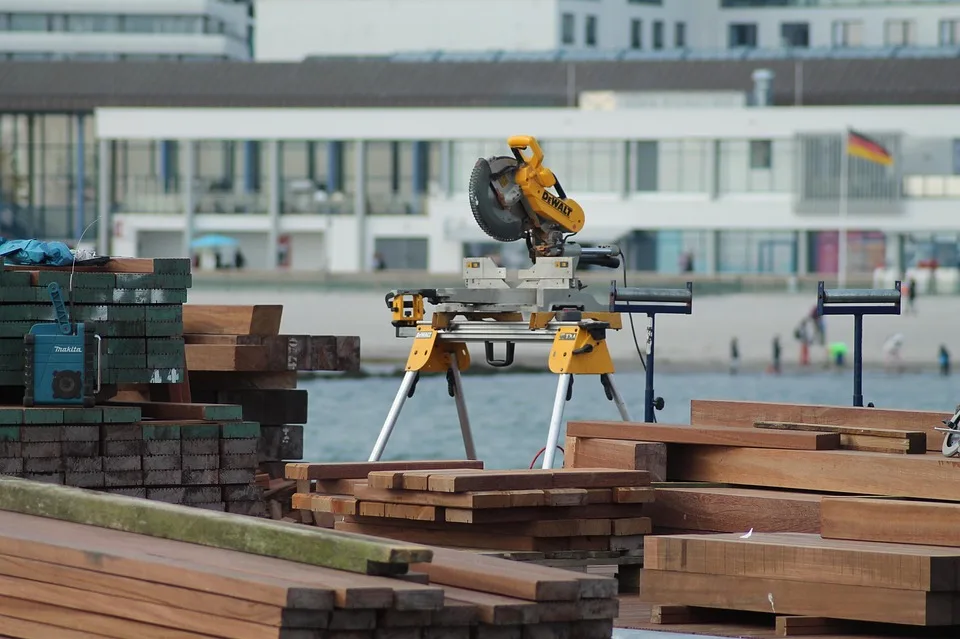

Lumber from the Manufacturer in Moscow, Russia
Sourcing lumber directly from the manufacturer gives builders, carpenters, retailers, and DIY enthusiasts in Moscow a clear advantage: better prices, predictable quality, and the flexibility to get material cut and finished to specification. Whether you’re building a dacha, renovating an apartment, or running a large construction project, buying direct can streamline procurement and reduce risks.
Why buy lumber from the manufacturer?
— *Lower unit cost*: Eliminating middlemen reduces markups, especially for bulk orders.
— *Consistent quality*: Manufacturers control production, grading, and drying—so specification compliance is more reliable.
— *Customization*: Cut lengths, planing, profiling, and treatment can be ordered to match project requirements.
— *Faster supply for repeated orders*: Manufacturers can reserve production slots and provide steady deliveries for long-term projects.
— *Traceability and certification*: Direct access to origin documentation, compliance with GOST/EAC, and internationally recognized certificates (FSC/PEFC where available).
Common lumber types available around Moscow
— Softwoods: pine (sosna), spruce (el), larch (drёv), widely used for framing, cladding, and joinery.
— Hardwoods: birch (bereza), oak (dub) — for furniture, flooring, and finishes.
— Processed products: sawn timber, edged boards, planed timber, tongue-and-groove, CLT panels (where produced), rafters, laminated beams.
— Treated lumber: anti-fungal, fire retardant, and preservative-treated options for outdoor and structural use.
Quality factors to check
— Moisture content: kiln-dried vs air-dried. For interior carpentry or flooring, aim for 8–12% MC; for exterior structural use, follow project specs.
— Grade and defects: knots, checks, warping, and compression wood—accept only grades that meet your structural or aesthetic needs.
— Dimensional accuracy: length, width, thickness tolerances—important for joinery and modular construction.
— Certification and paperwork: delivery notes, origin certificates, GOST conformity, EAC marking, and any FSC/PEFC claims if sustainability matters.
Logistics in Moscow
— Delivery options: manufacturers typically ship by truck or rail to Moscow and the wider Moscow Oblast. For inner-city deliveries, check vehicle size limits and loading/unloading windows.
— Storage: order quantities that match available on-site storage to avoid moisture and deformation. Consider covered storage yards or temporary shelters in Moscow’s climate.
— Permits and access: for large deliveries to central Moscow, verify delivery permits and times to avoid fines or delays.
Pricing and commercial terms
— Pricing models: per cubic meter (m³), per lineal meter, or per board. Clarify whether prices include VAT, packaging, and transport.
— Minimum order quantities: manufacturers often have MOQs for custom cuts or treated products.
— Payment and guarantees: request clear payment terms, delivery schedules, and claims procedures for damaged or non-conforming deliveries.
How to place an effective order
1. Define specs: species, grade, dimensions, moisture content, treatment, and surface finish.
2. Calculate volumes: use m³ for sawn timber or count boards by piece—add 5–10% waste margin for cutting and defects.
3. Ask for samples: small batches or sample boards to confirm species, finish, and color.
4. Request lead times: confirm production availability and expected shipping date to Moscow.
5. Confirm delivery terms: INCOTERMS (EXW, DAP, DDP) and whether the manufacturer will unload at site.
6. Get documentation: proforma invoice, invoice, delivery note, and certificates of conformity.
Applications and use cases
— Residential construction: studs, rafters, joists, and sheathing.
— Interior finishing: floorboards, skirting, moldings, and joinery.
— Outdoor projects: decking, fences, garden houses (use treated or naturally durable species).
— Industrial: pallets, crates, and packaging timber.
— Custom millwork: stair parts, window/door frames, custom furniture blanks.
Sustainability and sourcing
Responsible manufacturers provide information on forest sourcing and certifications such as FSC or PEFC, and comply with Russian legislation on timber trade. If sustainability matters, request proof of legal origin and chain-of-custody documentation before purchasing.
Tips for buyers in Moscow
— Visit the manufacturer or request a video inspection of the batch before dispatch.
— Schedule deliveries outside Moscow’s peak traffic hours where possible.
— Check seasonal availability and drying schedules—winter humidity and freezing can affect handling.
— Compare at least three quotes and evaluate total landed cost (material + transport + handling) rather than price per unit alone.
Final steps and next actions
If you’re planning a project in Moscow and want to buy lumber from a manufacturer:
— Prepare your specification sheet (species, dimensions, volumes, finish).
— Request a formal quotation including lead time and delivery to your Moscow address.
— Ask for samples and certificates before confirming the order.
For a reliable supply chain, working directly with a manufacturer gives you negotiating leverage, production oversight, and predictable deliveries tailored to Moscow’s market. If you’d like, I can help draft a specification sheet or a sample RFQ to send to manufacturers.