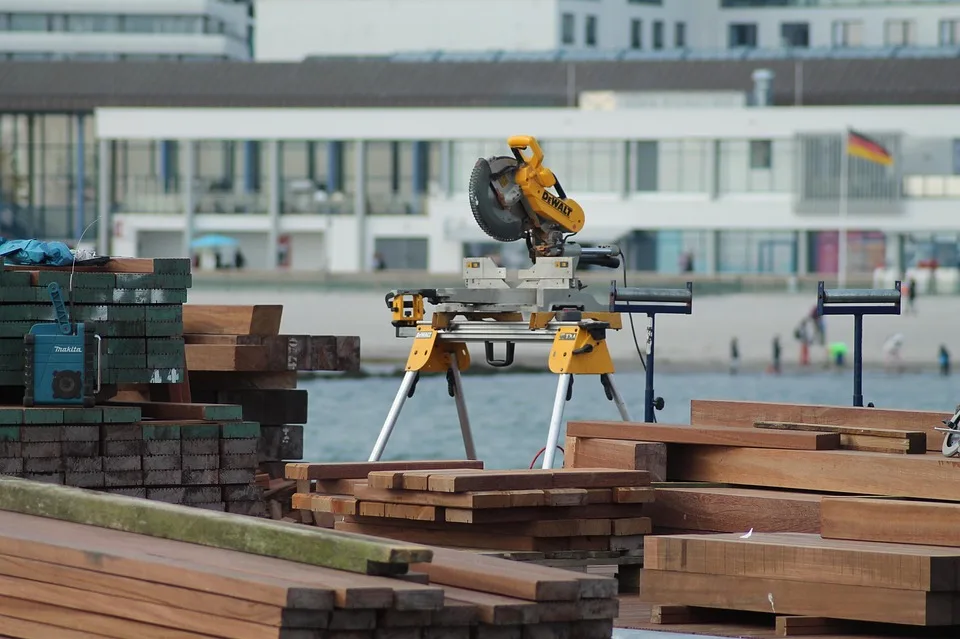

Why buy lumber directly from the manufacturer in Moscow
Buying lumber straight from the mill gives builders, contractors and wholesalers in Moscow clear advantages: lower unit costs, direct control over quality and drying, faster replenishment of production lines, and easier custom sizes and processing (planing, finger-jointing, gluing, kiln drying). For projects in Moscow’s unique climate, sourcing properly graded, certified lumber — delivered on time — reduces rework and thermal performance risks.
Common Russian species and product types
— Softwoods
— Pine (сосна) — widely used for framing, cladding, decking, and furniture.
— Spruce (ель) — popular for structural timber, roof trusses and packaging.
— Larch (лиственница) — prized for outdoor use and durability without heavy treatment.
— Hardwoods
— Birch (берёза) — furniture, plywood and veneer.
— Oak (дуб) — flooring, joinery, high-end furniture.
— Manufactured/processed products
— Rough-sawn and planed lumber
— Kiln-dried boards (important for interior work and finishing)
— Glulam (glued laminated timber) for beams and large spans
— Finger-jointed and laminated boards for dimension stability
— CLT and other engineered wood products (growing availability)
Quality, standards and certification to request
— Ask for conformity with Russian standards (GOST) and the manufacturer’s technical specifications (TU).
— Certifications to consider:
— FSC or PEFC — for sustainably sourced wood and to satisfy eco-conscious clients
— Mill quality certificates — species, grade, and treatment records
— Key technical details to confirm:
— Moisture content (%) — critical for indoor finishes in Moscow’s seasonal humidity swings
— Grade and defects (knots, checks, warp)
— Dimensional tolerances and planned shrinkage
— Heat or preservative treatments (if required for exterior or packaging)
Logistics: getting lumber into Moscow efficiently
— Transport modes: road and rail are the most common. Many mills in European Russia and the north (Arkhangelsk, Vologda, Karelia) provide fast rail delivery; Siberian mills often ship by rail in block trains.
— Warehouse options in Moscow: bonded warehouses, processing centers or just-in-time deliveries to sites.
— Plan for:
— Seasonal delays (spring thaw, winter road conditions)
— Offloading equipment on-site (cranes, forklifts)
— Proper short-term storage — keep lumber elevated, covered and ventilated
How to choose the right manufacturer
— Production capabilities: can they deliver required volumes, seasonal peaks and custom sizes?
— Technical competence: do they offer planing, kiln drying, moisture-certificates and engineered products?
— Traceability and sustainability: can they provide origin documentation and chain-of-custody certificates?
— References and samples: request references from Moscow clients and physical samples before a bulk order.
— After-sales support: warranty, return policy, and problem resolution processes.
Pricing: what affects cost and how to negotiate
— Main cost drivers:
— Species and grade
— Dimension and thickness (custom sizes add processing costs)
— Kiln drying and finishing
— Volume and frequency of orders (bulk buys reduce unit price)
— Transport distance and mode (rail vs truck)
— Market cycles (log prices and export demand influence domestic prices)
— Negotiate on:
— Long-term supply contracts with volume discounts
— Shared transport solutions or consolidated deliveries to Moscow
— Value-added processing at the mill (avoid double handling)
Practical checklist before placing an order
— Confirm species, grade, and moisture content in writing.
— Get samples and approve appearance/finish.
— Obtain certificates: GOST/TU, FSC/PEFC (if required), and moisture/quality reports.
— Agree delivery terms: Incoterms, delivery windows, penalties for late delivery.
— Verify packaging and handling requirements for Moscow storage or direct site use.
— Include inspection and acceptance criteria in the contract.
Tips for Moscow contractors and developers
— Favor local/regional manufacturers when possible — shorter lead times and lower freight costs.
— Use kiln-dried lumber for interior and precision work to avoid shrinkage cracks.
— For outdoor structures, specify larch or properly treated softwood for longevity.
— Consider engineered products (glulam, CLT, laminated boards) to reduce defects and speed assembly.
— Build a relationship with 2–3 reliable mills to ensure continuity during market volatility.
Final thought
Sourcing lumber directly from manufacturers gives Moscow builders control over cost, quality and timing — if you pick the right partner and set clear technical and logistical terms. Start with samples and small pilot orders, verify certificates and delivery capability, then scale to long-term contracts to maximize savings and reliability.