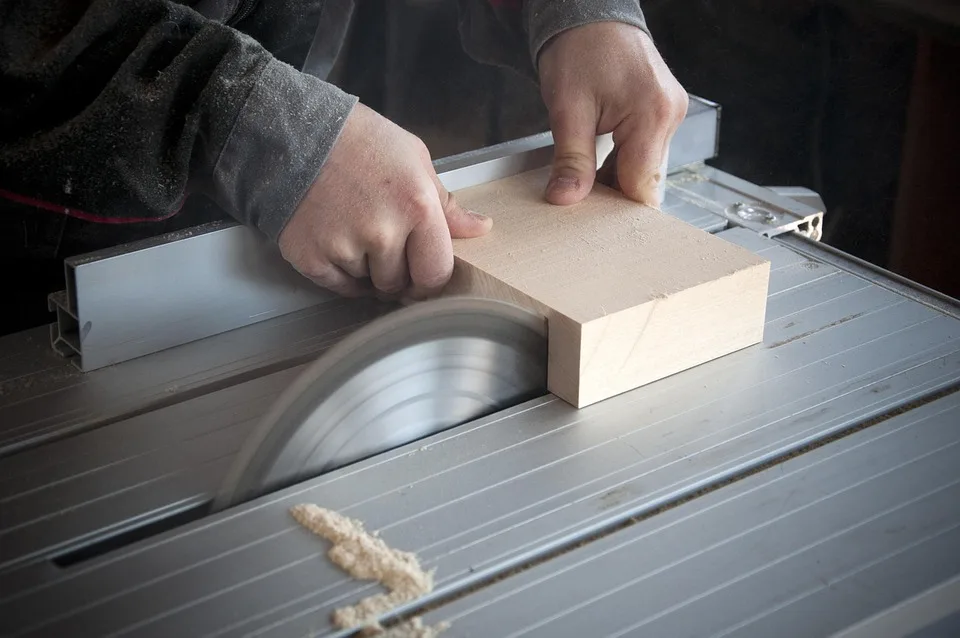

Lumber from the Manufacturer: Smart Buying for Moscow Projects
Sourcing lumber directly from the manufacturer in Moscow gives construction companies, renovators, and DIY enthusiasts faster delivery, better prices, and more control over quality. Whether you’re building a dacha, framing a multi‑storey structure, or crafting interior joinery, buying straight from the mill in Moscow or the Moscow region can be a decisive advantage.
Why buy from the manufacturer?
— *Lower cost per cubic metre*: direct pricing removes distributor markups.
— *Better quality control*: manufacturers can provide batch traceability, moisture testing and factory grading.
— *Customization*: mills can cut to non‑standard dimensions, produce planed/sanded boards, or supply special treatments on request.
— *Consistent supply*: long‑term contracts with a manufacturer reduce lead times and stock uncertainty.
— *Certifications and legality*: reputable manufacturers comply with Russian standards (GOST) and can provide chain‑of‑custody documentation (e.g., FSC where available).
Common lumber types for Moscow projects
— Pine (sosna) — versatile, economical, widely used for framing and cladding.
— Spruce (eli) — lighter, used for structural timber and rafters.
— Larch (listvennica) — very durable and rot‑resistant, good for outdoor elements.
— Birch (bereza) — dense and attractive for furniture and finish work.
— Engineered products — glulam, OSB, CLT and plywood for specific structural needs.
What to specify when ordering
— Species (pine, spruce, larch, birch, etc.)
— Grade and visual quality (knots, sapwood percentage)
— Cross section and lengths (mm × mm × m)
— Moisture content: *kiln‑dried* (preferred for interior work) vs *green* (for certain outdoor or drying processes)
— Surface finish: rough‑sawn, planed, finger‑jointed, profiled
— Treatment: fire retardant, anti‑fungal, anti‑insect, anti‑rot, or impregnated for ground contact
— Quantity, packaging and delivery terms
Quality and certification to check
— Compliance with GOST standards for dimensions and strength grades.
— Moisture certificates for kiln‑dried timber (commonly 8–20% depending on application).
— If sustainability matters: ask for chain‑of‑custody or FSC documentation.
— Manufacturer batch numbers and cutting dates for traceability.
— Sample inspection: visual grade, straightness, and end‑grain checks.
Logistics and delivery in Moscow
— Choose a manufacturer with local distribution or a warehouse near Moscow to reduce lead time.
— Plan deliveries outside peak traffic hours when possible; central Moscow has restrictions for heavy vehicles.
— Ensure on‑site unloading equipment (crane, forklift) and permits if delivering to inner‑city addresses.
— For larger projects, schedule phased deliveries to avoid prolonged outdoor storage that can lead to moisture problems.
Storage and handling tips for Moscow climate
— Store off the ground on battens to allow airflow.
— Keep stacks under cover and protect from driving rain and snow — but maintain ventilation to avoid trapping moisture.
— For kiln‑dried lumber, allow acclimatisation to indoor conditions before installation to minimize warping or shrinkage.
— Avoid storing lumber directly against heated walls or open flame; sudden temperature swings can cause movement.
Cost considerations and negotiating with manufacturers
— Request quotes per cubic metre and per linear metre for comparison.
— Ask about minimum order quantities, palletising and packaging costs, and whether the price includes delivery to site.
— Negotiate discounts for repeat orders or long‑term supply agreements.
— Ask about lead times, seasonal price variations (spring/summer demand) and payment terms.
Inspection checklist on arrival
— Verify quantity and dimensions against the delivery note.
— Check moisture certificates if specified.
— Inspect for obvious defects: warping, cracking, extensive sapwood or insect damage.
— Verify treatments (colour, penetration) and protective packaging integrity.
— Photograph any discrepancies and notify the supplier immediately.
Working with a manufacturer: steps to a smooth purchase
1. Define technical requirements (species, sizes, moisture, treatment).
2. Request detailed quotes from two or three manufacturers.
3. Ask for samples and certificates.
4. Agree on delivery schedule, packaging and penalties for defects.
5. Sign a purchase order or contract with clear acceptance criteria.
6. Arrange on‑site logistics for receiving and storing lumber.
7. Inspect shipments and process payments as agreed.
Final thoughts
Buying lumber directly from a manufacturer in Moscow can reduce costs, improve consistency and give you direct access to customization and certification. The key is to be precise about technical requirements, vet suppliers for quality and legal compliance, and plan logistics and storage for Moscow’s variable climate.
If you need help drafting a specification, selecting species for your project, or comparing local manufacturers, request a tailored consultation or sample pack — it’s the fastest way to ensure the right timber for your build.