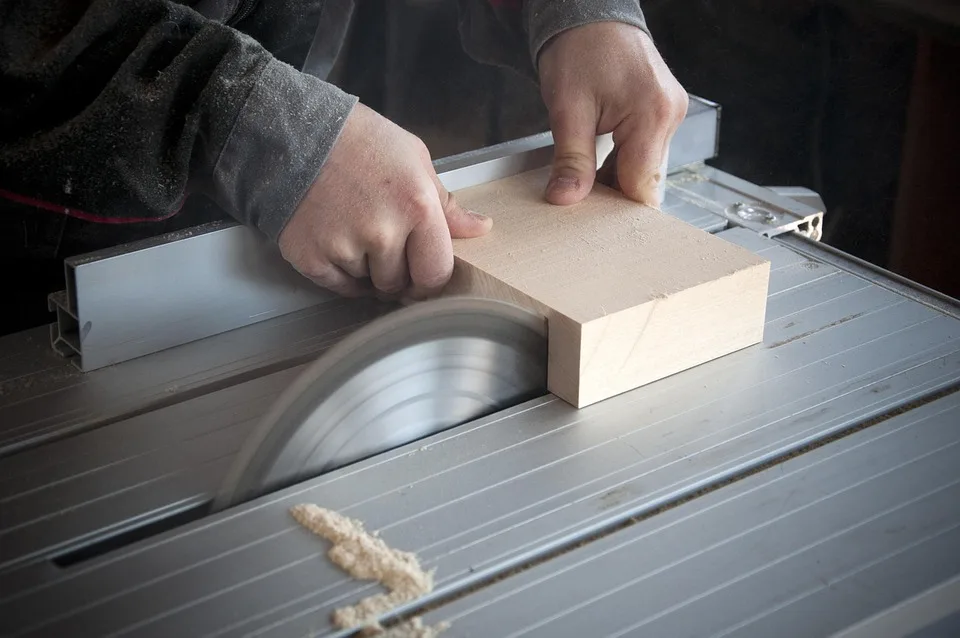

Lumber from the Manufacturer: What Moscow Buyers Need to Know
Buying lumber directly from the manufacturer in Moscow gives you control, cost savings and consistent supply — if you know what to look for. This guide explains the advantages, what types of timber are available, practical tips for selection and storage, and how to order with confidence in Moscow and the Moscow Region.
Why buy from the manufacturer?
— Lower price per cubic meter — fewer middlemen means better margins for builders, contractors and DIYers.
— Custom sizing and processing — manufacturers cut, plane, kiln-dry and treat to your specifications.
— Reliable stock and faster replenishment — manufacturers can secure regular deliveries, ideal for ongoing projects.
— Traceability and certification — direct access to documentation (origin, species, compliance with Russian standards and international certificates).
— Bulk flexibility — volume discounts and priority during high season.
Common timber types and typical uses (Moscow market)
— Pine and spruce (softwoods) — structural beams, framing, roof rafters, cladding. Widely available and cost-effective.
— Larch — durable and naturally rot-resistant; popular for exterior decking and façade work.
— Birch and aspen (hardwoods) — furniture, internal joinery, plywood production.
— Kiln-dried vs green timber — kiln-dried for interior and precision work (furniture, cabinetry); green timber acceptable for rough framing but may warp as it dries.
Quality and specifications to check
— *Species and source* — ask where the wood was harvested and whether it meets conservation or sustainability standards.
— *Moisture content* — crucial: 8–12% for fine joinery/furniture, 10–18% for general interior timber, higher for outdoor or immediate-install framing (but expect movement).
— *Grade and defects* — knots, cracks, cupping and crooking affect structural performance and appearance; request grade certificates or sample boards.
— *Processing* — edged vs unedged, planed (S4S), tongue-and-groove, pressure-treated options.
— *Certification and compliance* — certificates like FSC/PEFC and conformity to GOST/Russian technical standards improve resale and public tender eligibility.
Pricing: what influences cost
— Species and grade
— Moisture-level and drying process (kiln-dried costs more)
— Dimensions and custom milling
— Treatment (anti-fungal, fire retardant, impregnation)
— Delivery distance and logistics within Moscow and Moscow Oblast
— Seasonal demand (spring–summer can push prices up)
Delivery and logistics in Moscow
— Choose a manufacturer with regular routes to Moscow or a warehouse inside the city for faster turnaround.
— Confirm freight terms: EXW, DAP or delivered and unloaded. Heavy loads require scheduled deliveries and a loading bay.
— For large builds, set up standing orders or monthly deliveries to avoid site downtime.
How to order — practical steps
1. Define your project needs: species, dimensions, moisture content, grade and quantity.
2. Request a quote from several manufacturers — include delivery and processing options.
3. Ask for samples or visit the mill/warehouse if possible.
4. Check documentation: invoice, delivery note, certificates and declaration of conformity.
5. Schedule delivery and inspect goods on arrival before signing acceptance.
Questions to ask any manufacturer
— Where is the timber sourced and is it sustainably harvested?
— What is the current moisture content and can you provide kiln-dried material?
— Do you provide certificates (FSC/PEFC, conformity to Russian standards)?
— What tolerances do you guarantee for dimensions and drying?
— Are there minimum order quantities and what are lead times?
— Can you provide treatment (fire retardant, anti-fungal) or custom machining?
Storage and on-site handling tips for Moscow climate
— Keep lumber off damp ground and under cover; ventilate stacks to avoid mold.
— Store boards flat with stickers for airflow to maintain moisture balance.
— Acclimatize kiln-dried timber indoors for several days before final installation to reduce movement.
— For outdoor installations, use naturally durable species or pressure-treated timber and ventilated assemblies to prolong life.
Final checklist before purchase
— Confirm species, grade and moisture content in writing.
— Get a full price including delivery and processing.
— Inspect sample(s) or the first delivery batch.
— Ensure certificates and invoices accompany each delivery.
— Agree on returns or replacements for major defects.
Conclusion
Sourcing lumber from the manufacturer in Moscow unlocks cost savings, customization and steady supply — valuable for builders, contractors and interior professionals. With clear specifications, proper documentation and good logistics planning, you’ll get the right timber for your project and reduce waste, delays and unexpected costs.
If you’re ready to compare offers, start by preparing a short specification sheet (species, dimensions, moisture target, quantity and delivery window) and request quotes from local manufacturers — this will get you the best prices and lead times for your Moscow project.